
Water Tank Waterproofing in Sri Lanka: Leaks, Cracks and System Selection
A concrete tank must resist constant water contact across its walls, floor, joints and penetrations. Small defects can waste stored water, keep surrounding rooms damp or allow outside contamination to enter. Effective water tank waterproofing in Sri Lanka combines a suitable material with sound concrete and carefully treated details.
The intended use of the tank matters. Domestic storage, firefighting reserves, swimming pools, treatment plants and industrial process tanks expose waterproofing to different water chemistry, cleaning routines and service conditions. Product documentation must confirm suitability for the intended use.
Common causes of water tank leakage
- Shrinkage or structural cracks through walls and slabs
- Poorly detailed wall-to-floor construction joints
- Honeycombed or poorly compacted concrete
- Leaking pipe sleeves, puddle flanges and penetrations
- Movement between separate structural elements
- Failed coatings applied over weak or contaminated surfaces
- Damage caused during cleaning, maintenance or later installations
Start with inspection and safe access
Drain and isolate the tank before close inspection. Confined spaces require a formal safety procedure, ventilation, competent supervision and suitable equipment. The assessment should map cracks, joints, penetrations, hollow coatings, deposits and signs of water escaping through the external face.
A controlled water test can help distinguish leakage from evaporation or pipework losses, but the test plan must protect the structure and adjoining property. Record water levels and inspect external faces at defined intervals.
Waterproofing systems for concrete tanks
Flexible cementitious waterproofing
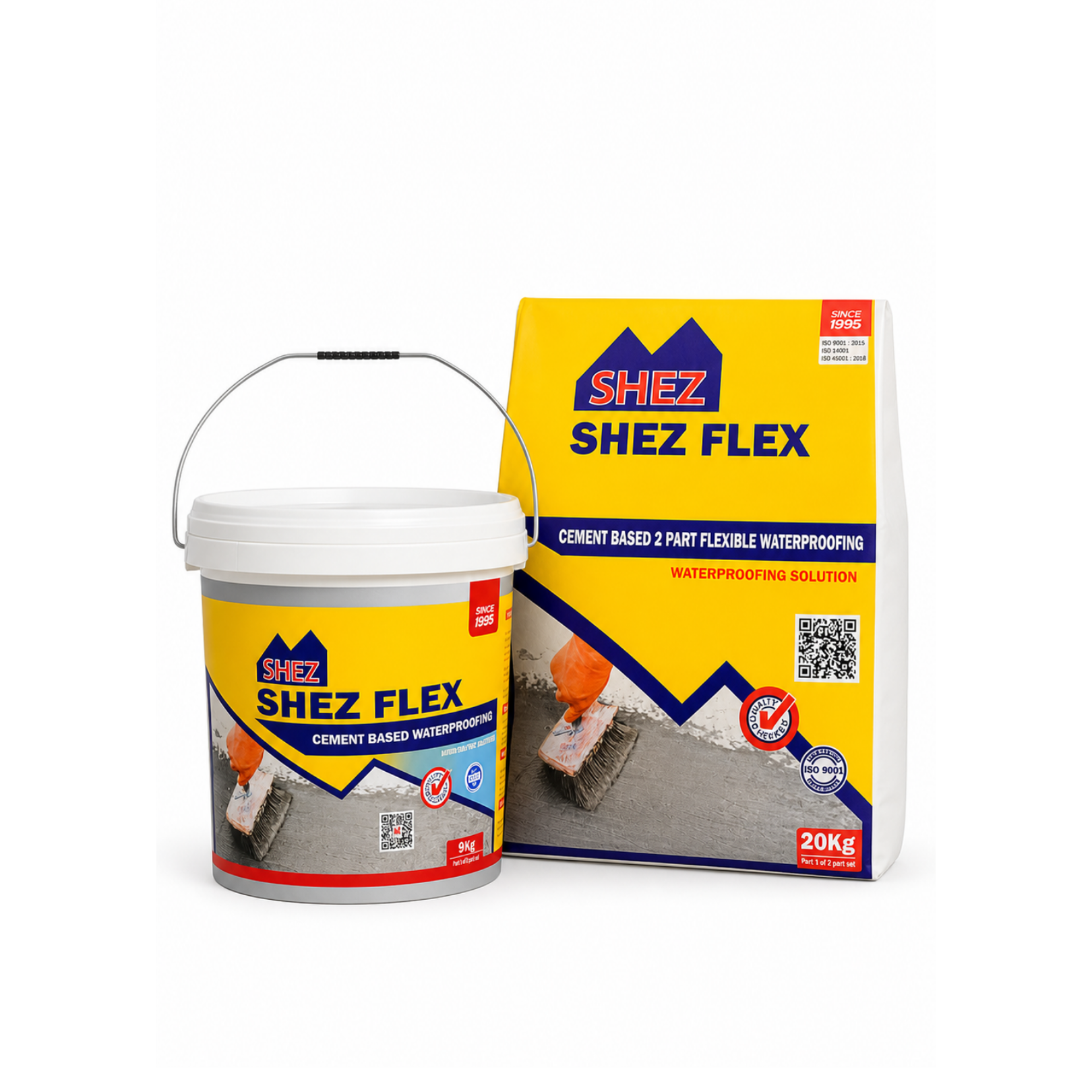
Flexible cementitious coatings bond well to prepared mineral substrates and can tolerate limited movement. They suit many water-retaining applications when the specified product is approved for the intended contact conditions and applied at the required coverage.
Crystalline treatments
Crystalline materials react within the concrete's capillary structure and can reduce water passage through sound concrete. They may suit new construction or selected remedial work, but joints, moving cracks and defective concrete still require dedicated treatment.
Resin and protective lining systems
Certain tanks require resin-based linings because of chemical exposure, hygiene requirements or cleaning regimes. The designer must check adhesion, crack movement, immersion performance, curing conditions and compatibility with the stored liquid.
Repair cracks and joints before coating
A coating cannot bridge every active crack or open joint. Dormant cracks may need routing, sealing or structural injection. Active water paths may suit polyurethane injection, and structural cracks may require engineering assessment. Construction and movement joints need compatible waterstops, sealants or joint systems.
A practical tank repair sequence
- Isolate, drain and make the tank safe for inspection.
- Remove deposits, weak coatings and unsound concrete.
- Repair honeycombs, spalls and defined cracks with compatible materials.
- Treat joints, corners, pipe sleeves and penetrations as separate details.
- Prepare the substrate to the waterproofing manufacturer's requirements.
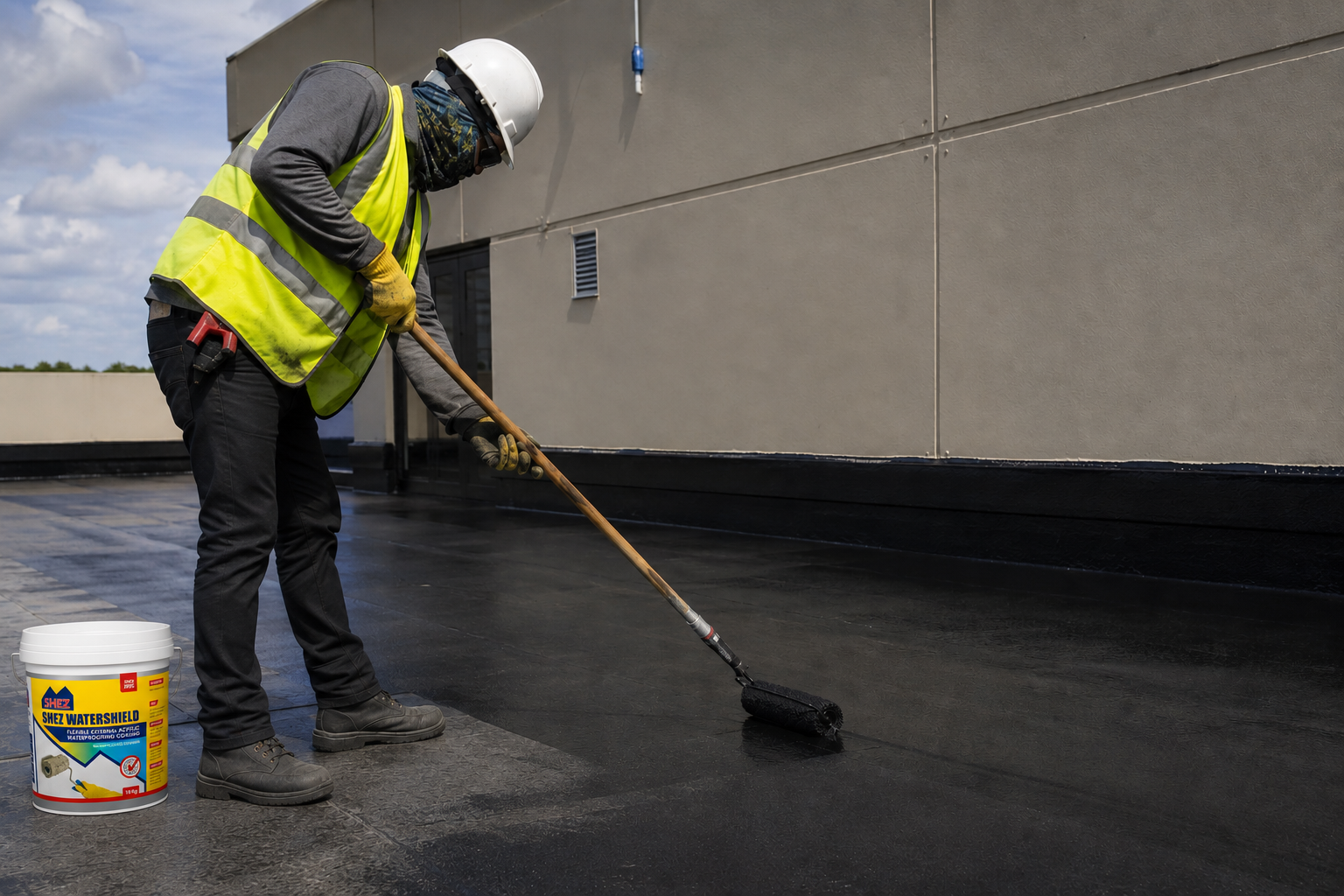
- Apply each coat at the specified coverage and allow proper curing.
- Inspect and test the tank before cleaning and returning it to service.
Mistakes that shorten service life
- Applying new material over slime, laitance or a weak old coating
- Ignoring the wall-to-floor joint and coating only broad surfaces
- Refilling before the system has cured for immersion
- Using a rigid treatment across a crack that continues to move
- Selecting a product without confirming its intended water-contact use
- Allowing later pipework or cleaning tools to damage the lining
Frequently asked questions
Can a leaking tank be waterproofed from outside?
External treatment may help when the leaking face is accessible, but many tanks require internal work because joints and defects are easier to inspect there. The structure, access and direction of water pressure should guide the approach.
How soon can a repaired tank be refilled?
Curing and return-to-service times vary by product, thickness, temperature and humidity. Follow the approved specification and current manufacturer instructions rather than a generic waiting period.
Water-retaining structure expertise
H.E. Engineering provides waterproofing, crack injection and concrete repair for water tanks, swimming pools and other water-retaining structures. Our specialists assess the exposure and defects before selecting compatible SHEZ or project-specified materials for work in Sri Lanka and the Maldives.