
Anti-Carbonation Coatings: How They Protect Reinforced Concrete
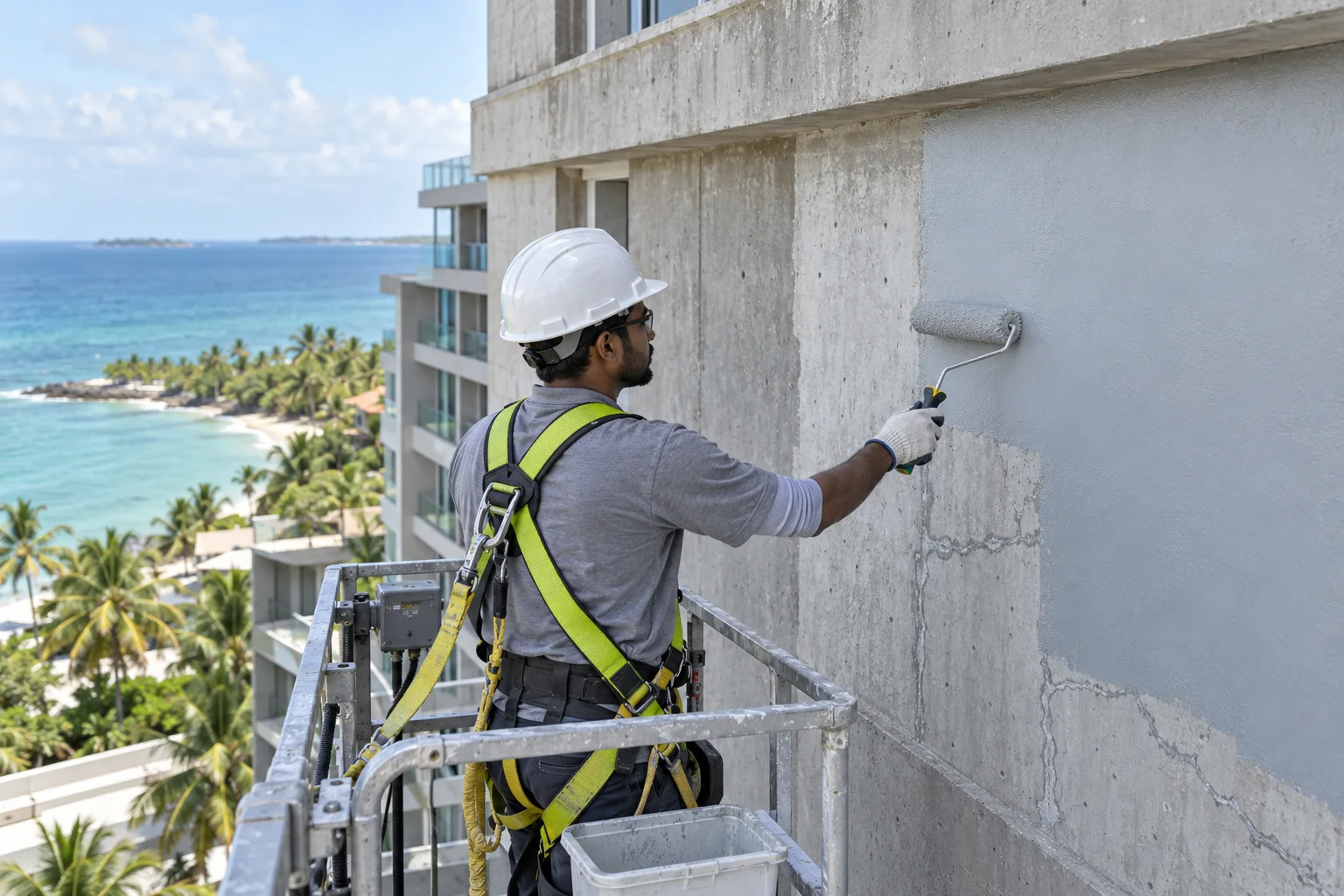
Reinforcing steel normally remains protected inside alkaline concrete. Over time, carbon dioxide from the air reacts with the cement paste and lowers this alkalinity. When the carbonation front reaches the steel, moisture and oxygen can initiate corrosion. An anti-carbonation coating in Sri Lanka reduces that exposure at the surface.
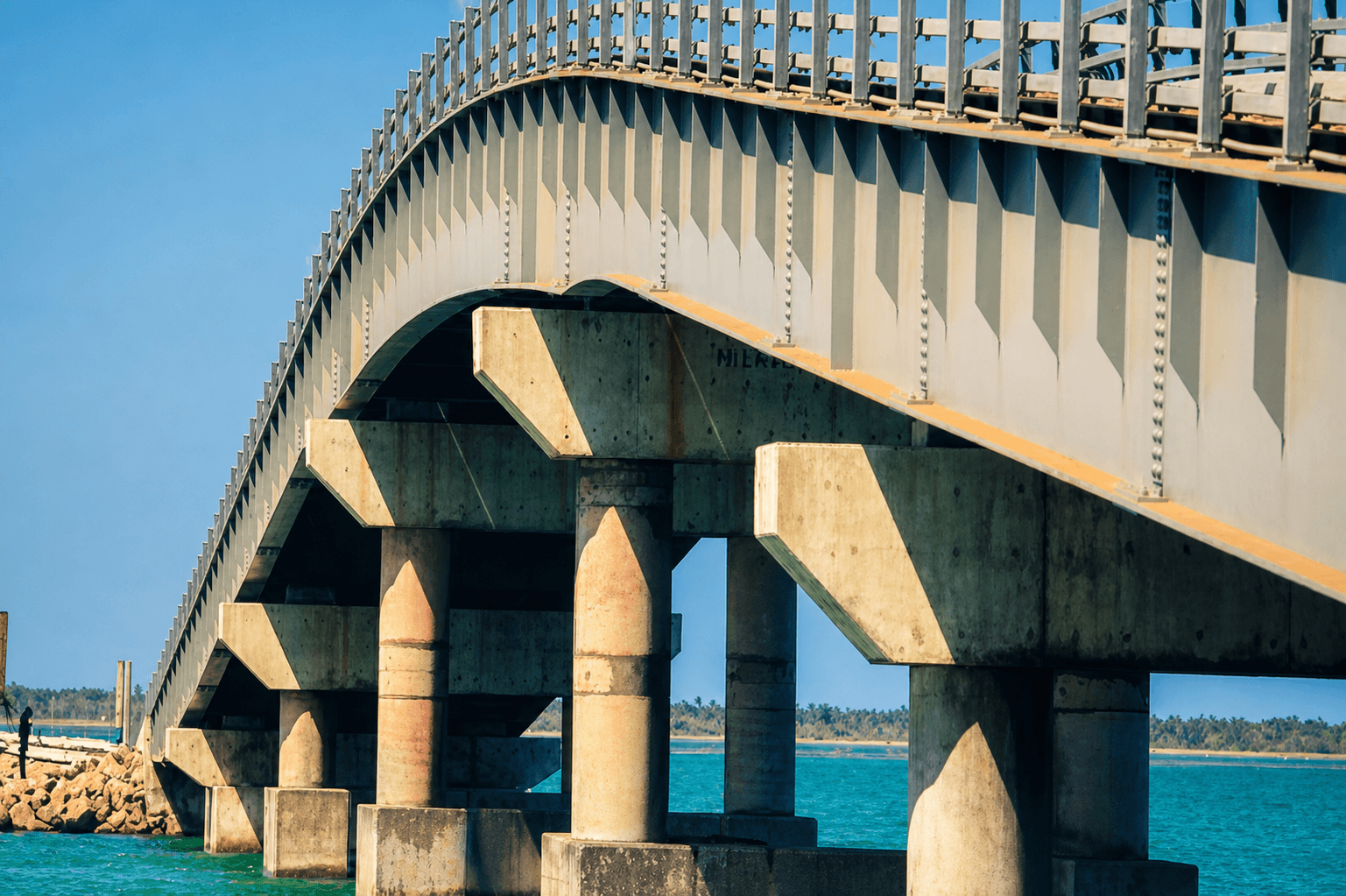
Tropical rain, humidity, ultraviolet radiation and coastal salts create demanding conditions for façades, parapets, bridges, car parks and exposed structural elements. A protective coating can form part of a wider durability plan, but it cannot replace concrete repair or structural assessment.
What is concrete carbonation?
Carbon dioxide diffuses through concrete pores and reacts with alkaline compounds in the cement paste. This reaction gradually reduces the pore solution's pH. Carbonation itself does not usually break concrete apart; it removes the passive protection around steel and makes corrosion possible when moisture and oxygen are present.
The rate depends on concrete quality, cover depth, cracking, exposure and moisture. Very porous concrete allows faster gas movement. Repeated wetting supports corrosion, while cracks provide short paths toward reinforcement.
How anti-carbonation coatings work
A suitable coating creates a continuous barrier with high resistance to carbon dioxide diffusion and reduced liquid-water absorption. At the same time, enough vapour permeability helps moisture within the concrete escape without blistering the finish.
Elastic grades can bridge fine, non-structural cracks within their documented capacity. Colour and ultraviolet resistance also improve appearance and weathering, but the primary engineering purpose is to control harmful ingress.
Where protective coatings are useful
- External reinforced-concrete walls and façades
- Balcony edges, parapets and exposed slab soffits
- Car parks, ramps and open-sided structures
- Concrete bridges and selected infrastructure elements
- Coastal buildings exposed to wind-driven rain and salt air
- Repaired concrete that needs a uniform protective envelope
Assessment before coating
Survey the concrete for cracks, delamination, rust staining, spalling, moisture and failed previous coatings. Tests may include carbonation depth, cover depth, chloride content, pull-off strength and moisture condition. The extent of investigation should match the structure and consequence of deterioration.
If corrosion has already damaged the concrete, remove unsound material, treat or supplement the steel as specified, and rebuild the section with compatible repair mortar. Coating over corrosion hides the symptom without restoring the substrate.
Surface preparation controls adhesion
- Remove loose, chalking or incompatible coatings.
- Clean contaminants, biological growth, dust and salts.
- Repair cracks and defective concrete using the approved method.
- Allow repairs to cure and confirm the substrate condition.
- Apply the specified primer where the system requires it.
- Build the coating to its documented coverage or dry-film thickness.
Properties to compare in a specification
- Resistance to carbon dioxide diffusion
- Resistance to liquid-water penetration
- Water-vapour permeability
- Crack-bridging capacity at the expected temperature
- Adhesion to the prepared concrete or repair mortar
- Ultraviolet, weathering and colour stability
- Compatibility with existing coatings and future maintenance
A decorative exterior paint may offer colour and basic weather resistance without documented anti-carbonation performance. Compare current technical data against the project requirements rather than relying on a product description alone.
Anti-carbonation coatings in coastal exposure
Coastal structures may also contain chlorides. An anti-carbonation coating reduces future water and carbon dioxide ingress, but it does not remove chlorides already inside the concrete. A condition survey may indicate additional corrosion-control measures or more extensive repair.
Inspection and maintenance
Inspect coated surfaces for cracks, impact damage, blistering, chalking and failed sealant at joints. Clean the façade using methods compatible with the coating. Repair local damage promptly so water does not travel behind an otherwise continuous protective layer.
Recoating intervals vary with material, film thickness, orientation, exposure and maintenance. Record the installed system, colours, batch information and inspection dates so future teams can plan compatible work.
Anti-carbonation coating FAQs
- Is anti-carbonation coating the same as waterproofing?
- It reduces rainwater absorption and carbon dioxide ingress, but it is not a substitute for a membrane where the structure faces standing water or hydrostatic pressure.
- Can it stop reinforcement corrosion that has already started?
- A coating can reduce future ingress, but active corrosion and damaged concrete need assessment and repair. Chloride-contaminated structures may require additional measures.
- Can anti-carbonation coating bridge cracks?
- Selected elastic coatings can bridge fine cracks within tested limits. Moving, structural or water-bearing cracks need a separate repair detail before coating.
Concrete protection for tropical and coastal buildings
H.E. Engineering combines concrete repair, crack treatment and specialised protective coatings for buildings and infrastructure in Sri Lanka and the Maldives. Our team assesses the substrate and exposure before specifying a compatible preparation, repair and coating system.