
10 Early Signs Your Building Needs Waterproofing Before the Next Monsoon
Waterproofing failures rarely begin as dramatic leaks. More often, a building gives small warnings: a faint stain near a ceiling, paint that repeatedly bubbles, a musty smell in one room or a crack that remains damp long after rain has stopped.
Ignoring these signs can allow moisture to continue moving through the building envelope. Before the next period of heavy rain, inspect the areas below and investigate recurring symptoms rather than repeatedly repainting them.
1. Water stains on ceilings
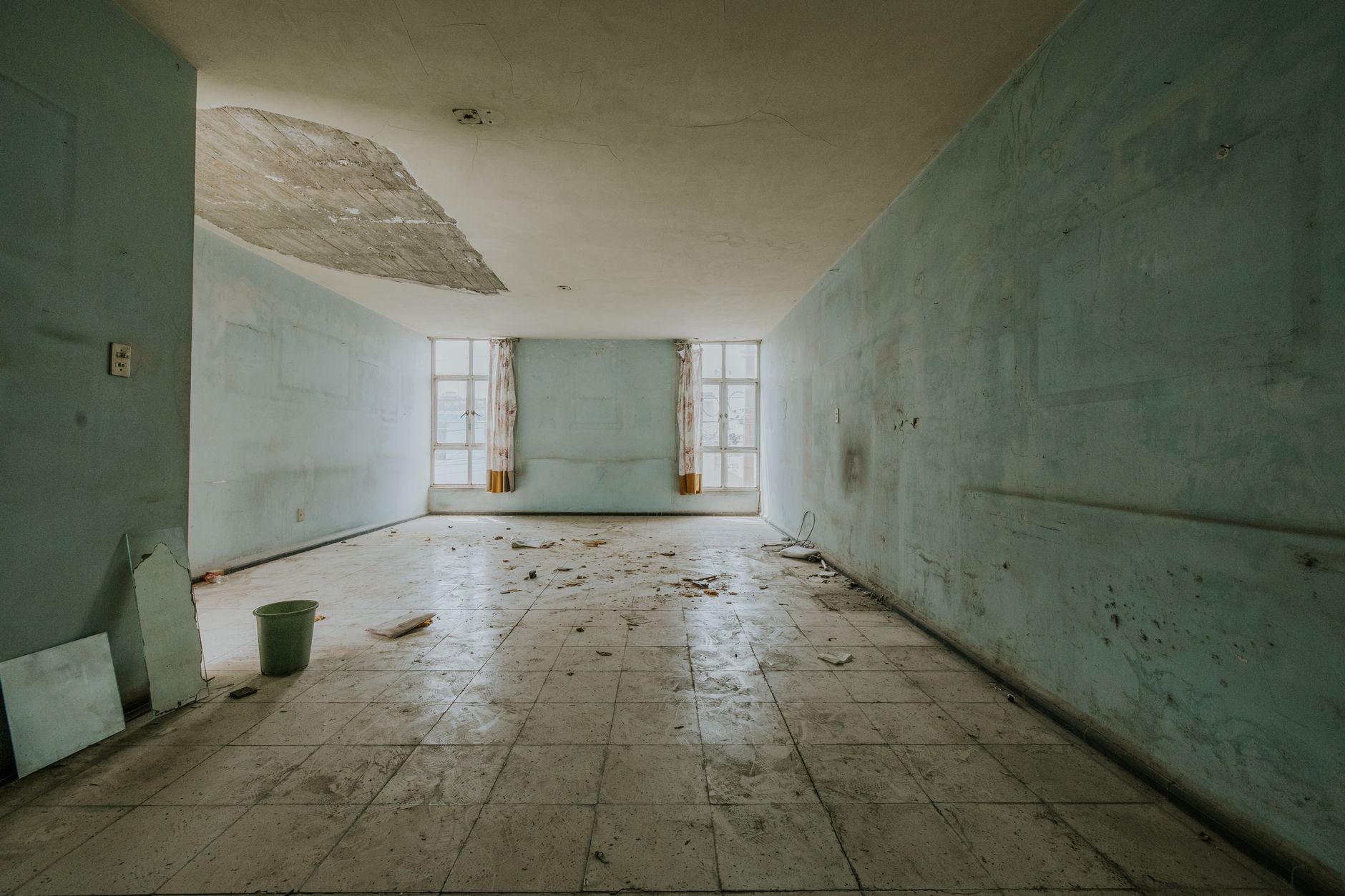
Brown, yellow or grey patches on a ceiling often indicate moisture entering from above. The source may be a roof slab, terrace, bathroom, plumbing line or penetration.
The important point is that the visible mark may not be directly below the entry point. Water can travel along the slab or another interface before appearing indoors.
If a stain grows after rain, the roof or external envelope should be investigated. If it appears regardless of weather, plumbing or another internal source may be involved.
2. Peeling, blistering or flaking paint
Paint can lose adhesion when moisture moves through the wall or remains trapped behind the coating. Repainting may hide the problem temporarily, but if the moisture source remains, the new finish can fail again.
Repeated paint failure is therefore a symptom worth investigating, particularly on external walls, parapets, bathrooms and walls adjacent to balconies.
3. Damp patches near floor level
Moisture concentrated near the base of a wall can have several possible causes, including external water ingress, leaks, poor detailing at ground level or rising damp.
Because these mechanisms require different solutions, applying a generic waterproof coating internally may not solve the underlying problem. The source and moisture path should be identified first.
4. Musty smells and persistent indoor humidity
A room can have a moisture problem before visible damage becomes obvious. Persistent musty odours, especially in cupboards, corners and rooms against external walls, can indicate trapped moisture and limited drying.
Ventilation may improve indoor conditions, but it does not replace repairs to the building envelope if water is entering from outside.
5. Cracks that become wet after rain
A crack that visibly darkens, drips or remains wet during rainfall deserves attention. Cracks can provide a direct path for water through concrete or masonry.
The correct repair depends on whether the crack is active or dormant, its width, location and structural significance. Some cracks may be treated with suitable repair materials or injection grouting; others require engineering assessment before any sealing work begins.
6. Efflorescence or white powdery deposits
White crystalline deposits on masonry or concrete are often salts left behind when moisture moves through a porous material and evaporates at the surface.
Cleaning the deposit may improve appearance, but recurring efflorescence suggests that moisture movement is continuing. Investigate the source rather than treating the salt alone.
7. Mould returning after cleaning
Mould needs moisture. If it repeatedly returns in the same location, consider whether condensation, poor ventilation or water ingress is maintaining a damp surface.
External walls, bathrooms, ceilings below terraces and poorly ventilated corners are common areas to inspect. The solution should match the cause; waterproofing will not fix a purely condensation-driven issue, and ventilation alone will not fix rainwater penetration.
8. Dampness around windows, doors and service penetrations
Openings interrupt the building envelope and create joints between different materials. Failed sealants, cracks, poor sill details and unsealed service penetrations can all admit water.
Look for staining around window corners, beneath sills, around AC penetrations and where pipes or cables pass through external walls.
9. Ponding water on roofs and balconies
After rain, check how quickly water drains. Localised puddles can reveal inadequate falls, blocked outlets or settlement.
Standing water increases the duration of exposure and can exploit weaknesses in joints, cracks and membrane details. Even a good waterproofing system benefits from effective drainage.
10. Spalling concrete or rust staining
This is more serious than a cosmetic damp patch. When water and aggressive agents reach embedded steel, corrosion can develop. Corroding reinforcement expands and can crack or dislodge the concrete cover.
Rust-coloured staining, hollow-sounding concrete, cracking parallel to reinforcement and pieces of concrete breaking away should be assessed promptly. The repair may require concrete rehabilitation rather than surface waterproofing alone.
What to inspect before monsoon rain
A useful pre-monsoon inspection should include:
- flat roofs and terraces
- parapet walls and copings
- rainwater outlets and gutters
- balconies
- external wall cracks
- sealant joints
- windows and service penetrations
- bathrooms above occupied rooms
- planter boxes and roof gardens; and
- previous waterproofing repairs.
Photograph defects so that changes can be compared over time.
Why early repairs are usually easier
Once water reaches finishes, reinforcement or concealed building layers, the repair can become more disruptive. Tiles may need to be removed, concrete repaired or finishes reinstated.
Early investigation can sometimes isolate a small detailing defect before it develops into a larger rehabilitation project.
Do not confuse the symptom with the source
A wet ceiling does not automatically mean the ceiling needs waterproofing. A damp wall does not automatically mean the waterproof coating should be applied to the inside face.
Waterproofing diagnosis is about tracing the route of water and understanding the construction around it. This is particularly important in multi-storey buildings where balconies, bathrooms, façade joints and services overlap.
How H.E. Engineering approaches water ingress
H.E. Engineering provides specialised waterproofing for roofs, terraces, basements, bathrooms, balconies, swimming pools, water tanks and other structures. Where water ingress is associated with cracks or defects in concrete, the company also provides injection grouting and concrete rehabilitation services.
This broader capability is useful because not every leak is simply a membrane problem.
Frequently asked questions
Is a damp wall always a waterproofing problem?
No. Dampness can result from rainwater penetration, plumbing leaks, condensation, ground moisture or other causes. Diagnosis should come before treatment.
Can I simply paint over a water stain?
You can cover the appearance, but the stain is likely to return if the moisture source remains.
When should a concrete crack be inspected professionally?
Seek assessment when a crack is growing, leaking, associated with movement, accompanied by spalling or rust staining, or located in a structurally important element.
When is the best time to inspect a roof?
Inspect before the rainy season and again after significant weather events or whenever a new leak appears.
Final thought
The best time to deal with waterproofing is before water has damaged multiple layers of the building. Treat recurring stains, dampness, cracks and ponding as information. They are telling you where the building may need attention.
H.E. Engineering can assist with technical assessment and suitable waterproofing, grouting or concrete repair solutions for residential, commercial and infrastructure applications.